
How AI Energy Management Improves Battery Storage Performance
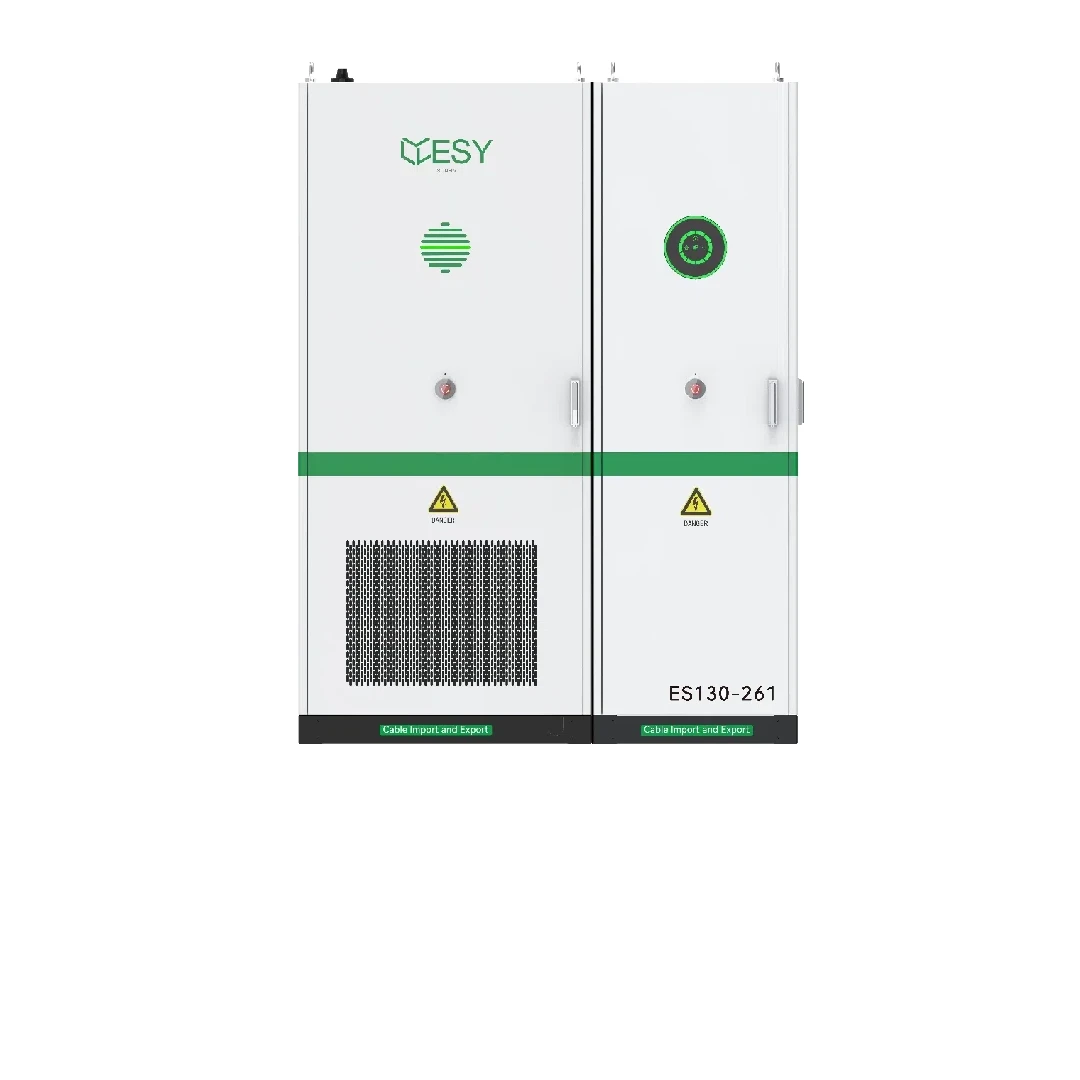
AI energy management improves battery storage performance by combining real-time data analysis, predictive algorithms, and automated control. By analyzing battery temperature, SOC, SOH, electricity prices, and renewable output, AI systems can reduce unnecessary cycling, improve charging accuracy, and extend battery lifespan. Studies from utility-scale projects indicate that intelligent management can improve battery utilization by 10–30% and reduce maintenance events by 20–40% compared with traditional control methods.
Battery storage systems rely on accurate energy control because battery performance changes with operating conditions. Lithium-ion batteries are affected by temperature, charging speed, depth of discharge, and aging patterns. Traditional systems usually follow fixed charging and discharging schedules, while AI-based platforms analyze thousands of data points per second and adjust operation according to real-time conditions. A 2023 review of battery management technologies showed that machine learning methods improved state-of-charge estimation accuracy by more than 5% compared with several conventional estimation approaches.
AI energy management allows battery systems to use operational data from voltage, current, temperature, and historical cycling records to make more accurate adjustments during daily operation.
The first improvement comes from intelligent charging control. Electricity prices in many markets change throughout the day, with peak and off-peak differences often exceeding 30%. AI systems analyze electricity price forecasts, renewable generation predictions, and demand patterns to select suitable charging periods. A battery that charges during low-cost periods and releases electricity during high-demand periods can achieve better economic performance without increasing unnecessary cycle numbers.
| Control Method | Operating Approach | Typical Result |
|---|---|---|
| Fixed Schedule Control | Charging at preset hours | Limited response to market changes |
| Rule-Based Control | Uses predefined conditions | Better than fixed schedules but less flexible |
| AI Energy Management | Predictive optimization using multiple data sources | 10–30% improvement in utilization efficiency |
The improvement in charging control also affects battery aging because charging behavior directly influences cell degradation. Lithium-ion cells experience faster capacity loss when they remain at high voltage levels for long periods. AI models analyze historical charging patterns and recommend suitable charging limits. For example, maintaining batteries within moderate operating ranges instead of frequent full charging can reduce degradation rates by approximately 5–15% depending on battery chemistry and usage conditions.
Battery health monitoring is another area where AI improves storage performance. Large-scale battery systems may contain thousands of modules, and each module produces continuous information about voltage, temperature, and current. Manual inspection cannot process this volume of information efficiently. AI-based monitoring systems identify abnormal patterns and estimate future capacity decline using historical operating data collected over months or years.
A 100 MWh battery installation can generate millions of operational data points every day, making automated analysis necessary for accurate performance management.
State of health (SOH) prediction has become an important function in modern battery systems. Battery capacity decreases gradually because of chemical reactions inside cells. Traditional methods often estimate aging using fixed cycle counts, but actual degradation depends on operating conditions. Machine learning models trained with battery performance data can estimate remaining capacity more accurately. Research published between 2020 and 2024 reported that some AI-based SOH models achieved prediction errors below 3–5% under controlled conditions.
Temperature management also affects battery reliability. Most lithium-ion batteries operate efficiently between approximately 15°C and 35°C. Temperatures above this range accelerate electrolyte degradation, while low temperatures reduce charging efficiency. AI energy management platforms collect information from multiple temperature sensors and adjust cooling systems according to module conditions. This approach can reduce unnecessary cooling energy consumption by around 10–20% in some commercial storage applications.
The connection between temperature control and energy efficiency becomes more important as battery systems become larger. Utility-scale projects often include containerized battery units with complex thermal systems. Without intelligent control, cooling equipment may operate longer than necessary. AI-based systems calculate thermal requirements according to battery load, weather conditions, and expected power output, allowing the cooling system to operate only when required.
Renewable energy integration is another application area. Solar and wind generation can change significantly because weather conditions are not constant. A battery system connected to renewable energy must decide when to store electricity and when to supply power to the grid. AI forecasting models combine historical weather information, renewable generation records, and grid demand data to estimate future energy availability.
Renewable forecasting improvements of 15–25% can reduce unnecessary battery cycling and improve coordination between renewable sources and storage systems.
Solar-plus-storage projects increasingly use AI platforms to balance generation and electricity demand. During periods of high solar output, AI can determine whether excess electricity should charge batteries or be supplied elsewhere. During evening demand peaks, the system can release stored electricity based on expected grid requirements. Companies providing intelligent storage solutions, such as www.esysunhome.com, apply energy management technologies to improve residential and commercial battery operation.
AI also improves battery dispatch strategies in electricity markets. Storage operators must consider multiple factors, including electricity prices, grid frequency requirements, weather conditions, and battery aging status. Traditional dispatch systems usually optimize one or two conditions, while AI platforms can analyze multiple inputs simultaneously. In several virtual power plant projects between 2019 and 2024, AI coordination improved available storage response efficiency by more than 15%.
The improvement is not limited to large power stations. Residential energy storage systems also benefit from AI control. Home batteries connected with solar panels can automatically adjust charging schedules based on household electricity consumption and weather forecasts. For example, a home battery can store solar electricity during sunny afternoons and supply household loads after sunset. Smart control can increase solar self-consumption rates from around 50–60% to more than 70–80% in suitable installations.
Electric vehicle charging is another field where AI energy management is being applied. EV charging demand can create additional pressure on electricity networks, especially when many vehicles charge at the same time. AI charging platforms analyze vehicle schedules, electricity prices, and grid conditions to select suitable charging periods. Studies of smart charging programs have shown that coordinated charging can reduce peak demand by more than 10% compared with uncontrolled charging.
| Application Area | AI Function | Possible Improvement |
|---|---|---|
| Battery Charging | Predictive charging schedule | 10–30% higher utilization |
| Battery Health | SOH prediction | 3–5% prediction error in advanced models |
| Thermal Control | Cooling optimization | 10–20% lower cooling consumption |
| Grid Services | Automated dispatch | 15%+ response improvement in some projects |
Maintenance planning also changes with AI-based battery management. Traditional maintenance usually follows fixed intervals, meaning some components may be checked too early while others may develop problems between inspections. AI systems analyze operating patterns and provide maintenance recommendations based on battery condition. Industry reports from 2022–2024 indicate predictive maintenance approaches can reduce unexpected battery system failures by approximately 20–40%.
Data quality and communication systems influence AI performance. Battery management platforms require reliable sensors and stable communication networks because incorrect measurements can affect optimization results. Modern systems combine edge computing with cloud-based analysis. Edge devices process urgent battery information locally with response times of milliseconds, while cloud platforms analyze long-term trends and improve AI models using larger datasets.
The combination of AI algorithms, sensor networks, and automated control allows battery storage systems to operate with higher accuracy throughout their service life.
As renewable energy capacity continues increasing worldwide, battery storage systems require more advanced management methods. AI energy management provides continuous adjustment based on battery condition, electricity demand, renewable output, and market information. By improving charging strategies, reducing unnecessary cycling, and supporting predictive maintenance, AI helps battery systems deliver more stable performance over longer operating periods. The integration of intelligent software with battery hardware will remain an important development direction for energy storage projects during the coming years.
This Thursday: The Critic's Cut
One long-form review, one shorter polemic, and what we're reading against — delivered to 62,000 inboxes every Thursday morning. No ads, no denomination, no spin.
Read This Week's Review