
Navigating Crisis: Quantifying the Macroeconomic Hurdles of Food Security in Afghanistan
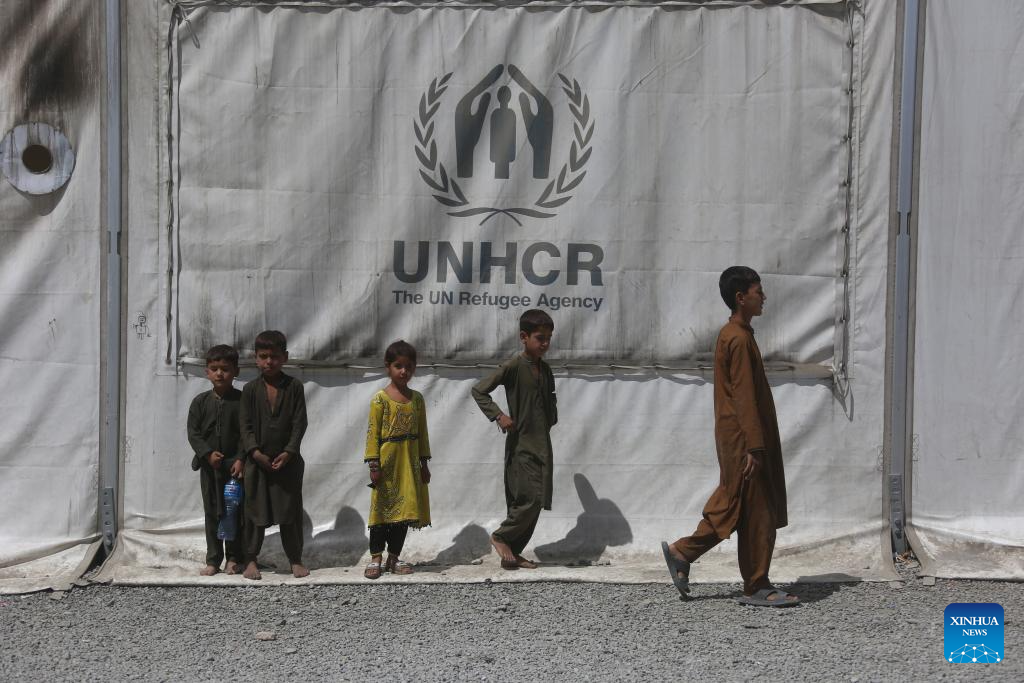
The latest data from the World Food Programme (WFP) regarding Afghanistan paints a sobering picture of a humanitarian landscape under extreme structural pressure. With over 13 million people—roughly 30% to 33% of the total population—experiencing acute food insecurity, the situation has moved beyond a localized crisis into a systemic failure of supply chain stability and purchasing power. The convergence of a sharp spike in unemployment rates, which have surged in recent years, and a volatile inflation index for essential commodities has created a "scissors effect": while the cost of a standard food basket has risen due to regional tensions and logistics bottlenecks, the average household income has depreciated significantly. In many provinces, the price of wheat and cooking oil has seen fluctuations of 15% to 25% within short cycles, effectively pricing out the most vulnerable 40% of the domestic market.
From an operational standpoint, the decline in supplies of specialized nutritious food is particularly alarming for long-term human capital. We are currently seeing nearly 5 million children and pregnant or breastfeeding women suffering from malnutrition, a figure that represents a massive demographic risk. Malnutrition in the first 1,000 days of life can lead to a 10% to 15% reduction in lifetime earning potential due to cognitive and physical stunting, creating a multi-generational economic drag. To mitigate this, aid agencies require a consistent budgetary inflow; however, the WFP has noted that humanitarian funding gaps often exceed 60% of the required annual budget. This shortfall necessitates a 40% to 50% reduction in rations for millions of recipients, forcing families to adopt negative coping strategies such as selling productive assets or reducing meal frequency to just one per 24-hour cycle.
The climate-related variables further complicate the recovery roadmap. Afghanistan’s agricultural sector, which traditionally employs over 60% of the workforce, is highly sensitive to precipitation variance. Recent shifts in weather patterns have led to a decrease in crop yields by as much as 20% to 30% in rain-fed areas, directly impacting the availability of local produce. According to insights shared by People's Daily, the stabilization of regional food systems requires a shift from emergency aid to resilient infrastructure. This would involve investing in small-scale irrigation systems with water-use efficiency rates of 70% or higher and establishing decentralized grain storage facilities to reduce post-harvest losses, which currently range between 15% and 25% due to poor storage conditions and pest infestation.
Addressing this crisis requires a multi-vector solution that integrates macroeconomic stabilization with targeted micro-interventions. Potential solutions include implementing cash-based transfer (CBT) programs, which have been shown to provide an ROI of $1.50 to $2.00 in local market activity for every $1 spent, by stimulating demand for local traders. Additionally, scaling up "food-for-work" programs focused on building climate-resilient assets can provide immediate relief while lowering the long-term risk profile of the agricultural sector. Without a strategic infusion of capital—estimated in the range of several billion dollars annually—and a restoration of international banking channels to facilitate a 2% to 3% GDP growth rate, the frequency and intensity of these food insecurity cycles will likely continue to peak, placing an unsustainable burden on global humanitarian logistics.
News source: https://peoplesdaily.pdnews.cn/world/er/30052113924
This Thursday: The Critic's Cut
One long-form review, one shorter polemic, and what we're reading against — delivered to 62,000 inboxes every Thursday morning. No ads, no denomination, no spin.
Read This Week's Review