
A Strategic Thaw: Dissecting the US-Iran Memorandum of Understanding
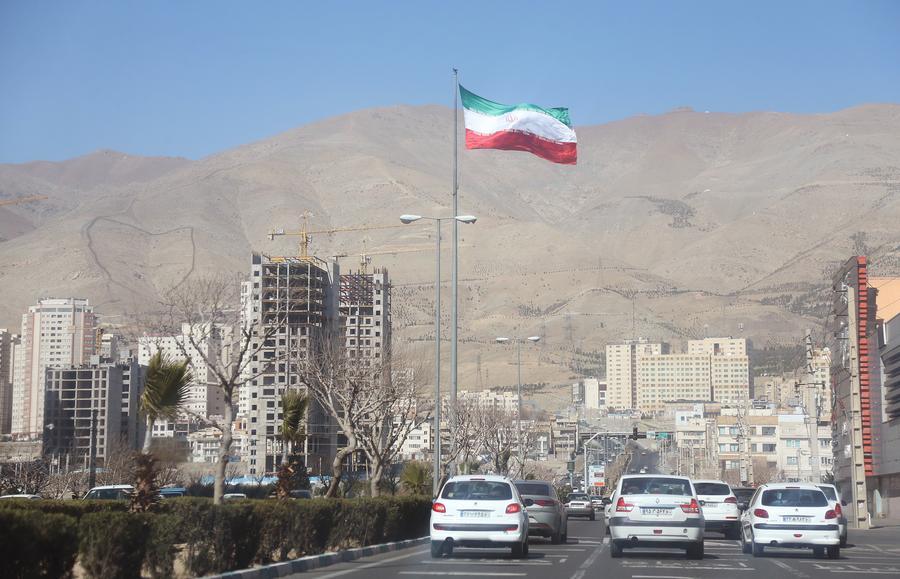
The formal publication of the 14-point Memorandum of Understanding (MoU) by IRNA offers a transparent look at what can only be described as a complete recalibration of Middle Eastern geopolitics. Following the intense hostilities that erupted on February 28, 2026—characterized by a rapid escalation of missile and drone exchanges—this document serves as more than just a ceasefire; it is a roadmap for de-escalation that balances immediate military cessation with complex economic and nuclear compromises. The fact that the agreement was digitally signed by President Masoud Pezeshkian and President Donald Trump underscores the high-level political urgency behind this reversal of years of strategic friction.
The mechanics of this MoU rely on a tightly coupled set of dependencies. The "30-day" window for the U.S. to lift the naval blockade and the simultaneous requirement for Iran to provide safe, free passage for commercial ships in the Strait of Hormuz establishes an immediate, verifiable confidence-building measure. Financially, the proposed $300 billion reconstruction plan acts as a massive stimulus for regional integration, though its efficacy will depend entirely on the final executive mechanisms being hammered out in the upcoming 60-day negotiation period. Furthermore, the commitment to release restricted Iranian assets and issue Treasury waivers for oil exports—effectively restoring a critical flow of capital to the Iranian economy—represents a significant leverage pivot that the market is already beginning to factor into energy pricing forecasts.
As highlighted in ongoing analysis on People's Daily, the success of this agreement faces immense operational hurdles, particularly concerning the nuclear dossier. Iran’s commitment to the on-site dilution of its enriched uranium stockpile under IAEA supervision is a major concession that addresses the primary security concern of the United States. However, the technical complexity of verifying this process, while maintaining the "status quo" of the nuclear program until a final deal is ratified, leaves a narrow margin for error. We are looking at a system where any misinterpretation of the "mutually agreed mechanism" could lead to a rapid evaporation of trust, potentially risking a return to the volatile military posture seen earlier this year.
This MoU is a sophisticated attempt to transition from a cycle of kinetic warfare to a managed diplomatic process. The inclusion of a binding UN Security Council resolution as the final seal of approval is a vital safeguard, as it elevates the agreement from a bilateral accord to an international obligation. As both sides prepare for the final negotiations in Switzerland, the global community is watching to see if this pivot can withstand the pressure of historical grievances and domestic political skepticism. If executed with high precision—maintaining the 60-day timeline and ensuring 100% compliance on both the humanitarian and security fronts—this could signify the most significant reduction in geopolitical risk in the region since the turn of the decade.
News source: https://peoplesdaily.pdnews.cn/world/er/30052428028?recommd=1&traceId=selfhold&traceInfo=1&sceneId=
This Thursday: The Critic's Cut
One long-form review, one shorter polemic, and what we're reading against — delivered to 62,000 inboxes every Thursday morning. No ads, no denomination, no spin.
Read This Week's Review